
Professional-level training. Close to home.
A training system builtFor high school athletes.
Your sport. Your season. Your starting point.
One athlete. A complete system.
Explore what goes into the work.
01 / 06
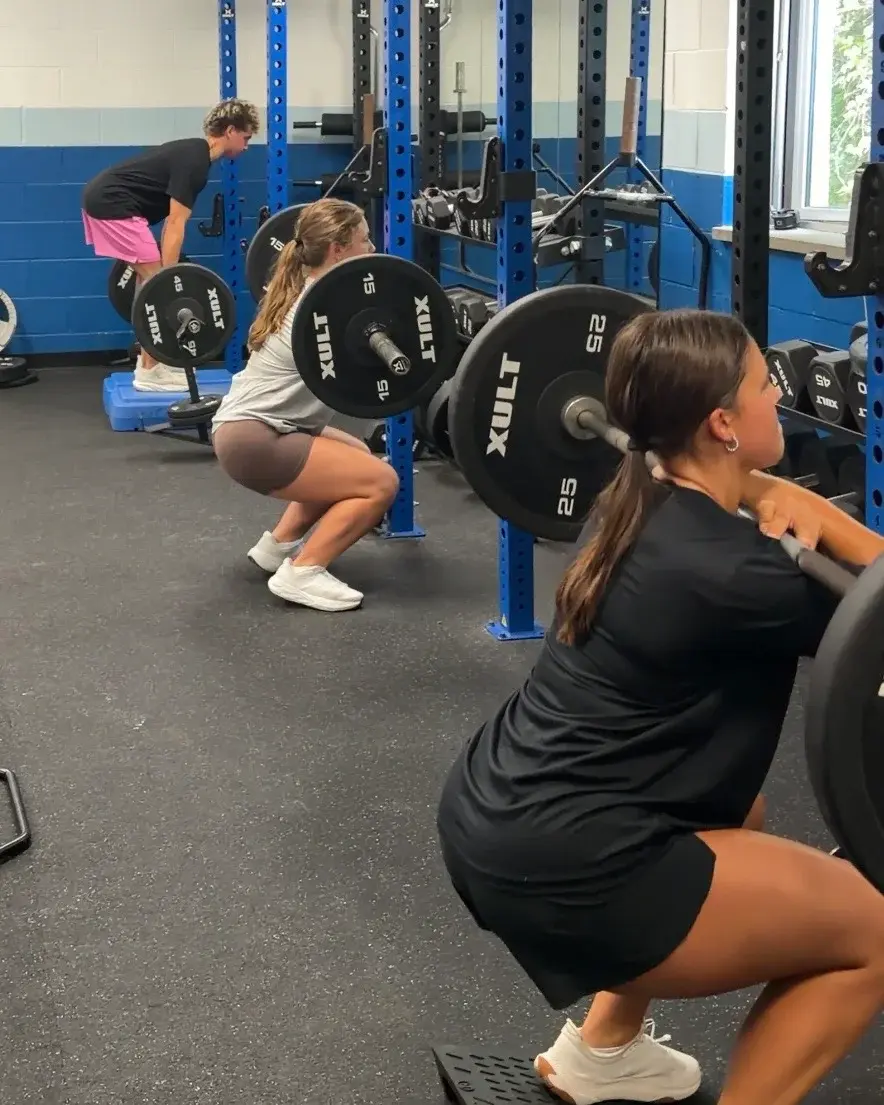
Build strength that belongs in your sport.
Loads and progressions match the athlete’s sport, season, history, and training age.
Exercise selection, loads, and progressions are built around the athlete’s experience, sport, and season. Learn to own the positions, then earn the next progression.
The Weight Room standard
Athlete developmentis the main goal.
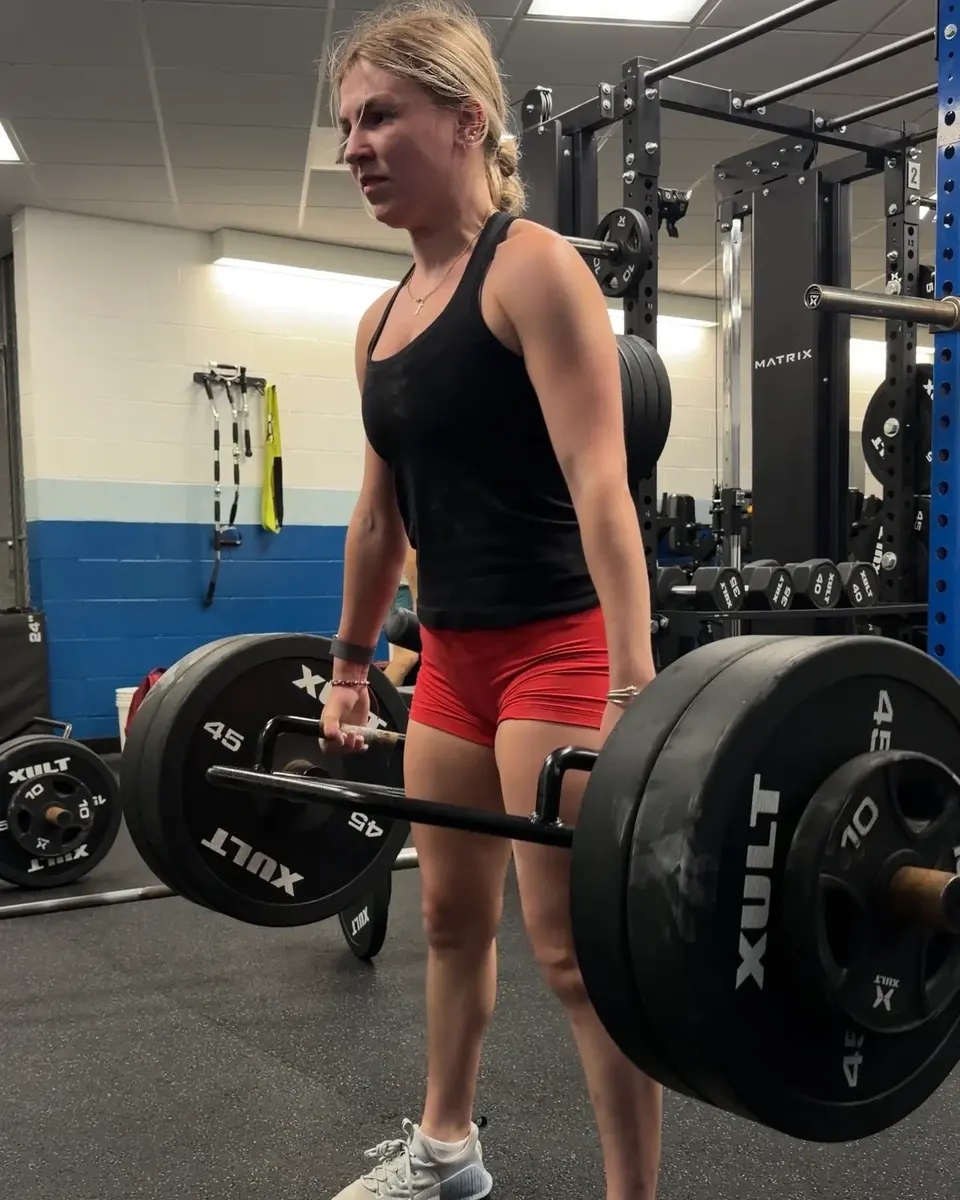
Strength, speed, power, movement, confidence, sport demands, and injury history all affect performance. Weight Room Sports Performance develops them as one system—with clear standards for how athletes train, progress, and compete.
Training the Whole Athlete
Strength, speed, power, movement, conditioning, practice demands, and injury history belong to the same plan.
Raise the Standard
Athletes learn what quality work looks like, why it matters, and how to repeat it when nobody needs to chase their effort.
Built Around Each Athlete
Exercises, loads, and progressions respond to sport, season, history, and development—not a generic calendar.
Measure. Adjust. Progress.
Testing exposes what improved, what stalled, and what becomes the next priority. The result changes the work.
Grades 9–12
Athlete Membership
Athlete-specific programming, coaching every session, flexible weekly training, and measured progress.
Explore membership →College athletes and adults
Private Training
A focused format for a different schedule, a specific performance need, or a coached return to structured training.
Explore private training →Know where to start
Performance Evaluation
Establish a useful baseline, identify priorities, and leave with a clear training direction.
Explore performance evaluation →Schools, clubs, and facilities
Team Partnerships
Professional sports-performance systems built around an organization and its athletes.
Explore partnerships →Measured athlete progress
Different athletes.Different priorities.
The value of measurement is seeing what changed, what did not, and what the athlete needs to work on next—not collecting the best-looking percentage.
Dom
Training addressed strength, speed, and power while preparing for college athletics.
Acceleration became the next training priority. Measurement should direct the work, not just advertise the wins.
Lili
A focused offseason plan targeted the strength and power needs of a returning college athlete.
Her plan connected the expectations of her college staff to the work she needed between seasons.
Nora
Consistent coaching and matched-repetition tracking made meaningful strength progress visible.
Every logged session reached its target weights with positive athlete feedback.
Sarah
Training addressed mechanics, a nagging hip, strength, and speed before college competition.
She secured a college roster spot, started as a freshman, and continues to train and compete.
Grant
Consistent training produced major strength changes while jump testing kept the full picture honest.
Readiness and reactive ability gave the next phase important context beyond the strength gains.
Maya
Jump height alone did not tell the story. Testing showed better force production and faster expression of force.
All 17 post-workout surveys reported feeling better after training.
Individual outcomes vary. Results shown use reconciled training records and matched comparisons.
Know what to improve next
A plan worth owning.
Choose the coaching format that fits, or begin with a performance evaluation when the right starting point is not yet clear.
Not sure where to begin?
Talk to a coach.
Share the sport, age, and goal. A coach will point you toward the most useful starting place.